Thinking about leasing commercial space for your business? Finding the right location can feel overwhelming. Commercial leasing involves more than choosing a property. In fact, you must evaluate location, zoning, lease structure, and long-term business needs. Use this guide to understand key steps, terms, and deal stages.
With more than three decades of real estate experience, I’ve gained valuable insight into the commercial leasing process. This guide outlines the key steps to help tenants approach leasing with confidence.
Quick tip
If you see a term like Triple Net Lease (NNN) or Additional Rent, you can click it to jump to the definition.
Getting Started With Commercial Leasing
To begin, every commercial lease starts with a leasing mandate. This document outlines your business needs today and your expected needs over the next 5–10 years.
Some businesses have very clear leasing requirements. For example, franchise operations often require specific building sizes, layouts, and parking standards.
However, other businesses need a more flexible strategy. If you expect growth, you must balance space, cost, and room for expansion.
Before you begin your leasing search, it is helpful to clearly define your business requirements. In most cases, this includes several key factors.
First, consider your current space requirements. Your business may already have specific size or layout needs that must be met.
Next, think about expected business growth. If your business expands over the next five to ten years, your leased space should be able to accommodate that growth.
You should also evaluate customer access and location needs. For example, some businesses require strong visibility, while others rely more on accessibility and parking.
Finally, review your financial capacity for leasing costs. A clear understanding of your operating budget helps determine what type of space is realistic.
As a result, a clear leasing mandate helps your commercial REALTOR® identify the best leasing opportunities for your business.
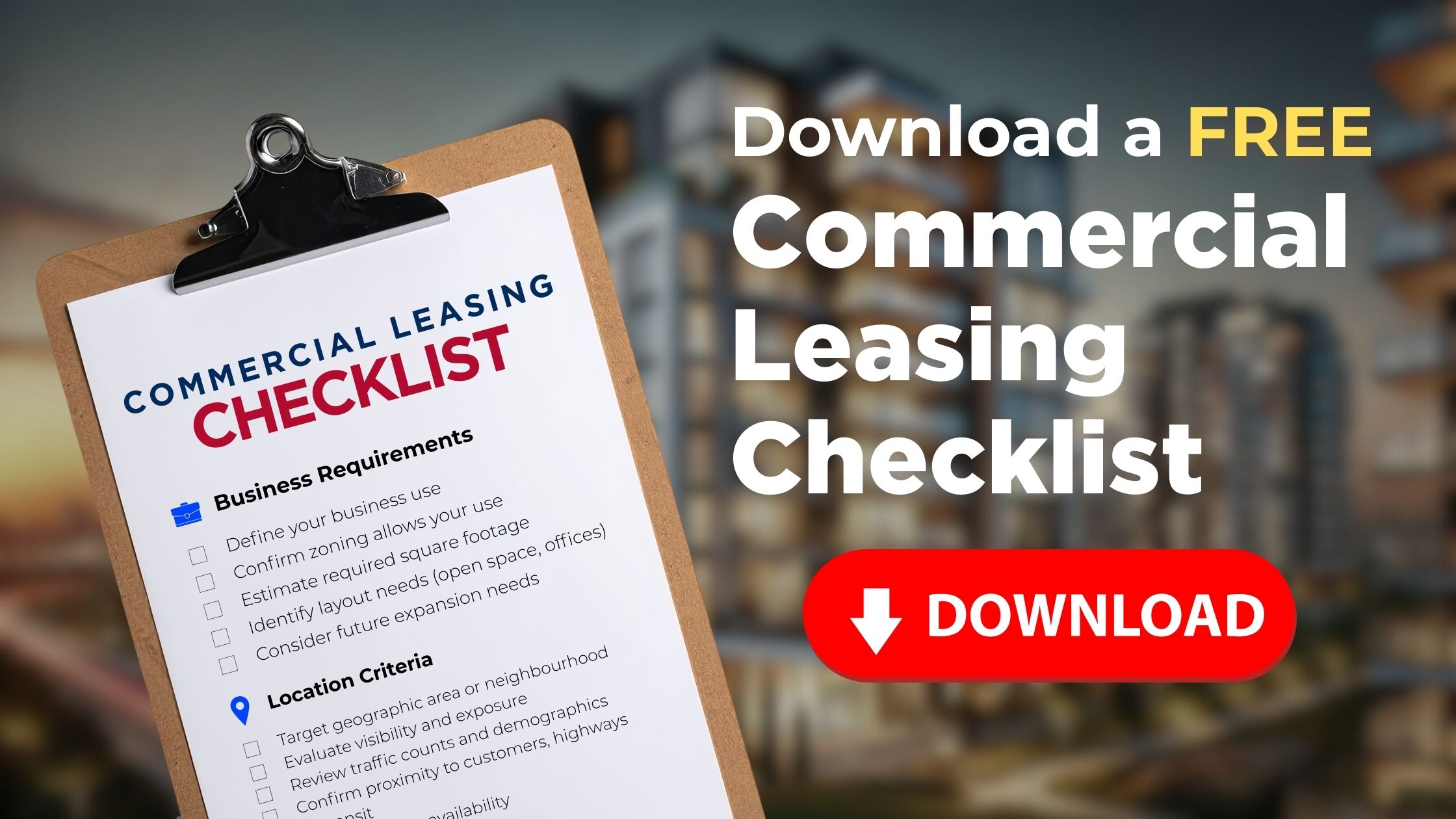
Download the commercial leasing checklist. A one-page checklist to help you define space needs, evaluate locations, and review key lease terms. Download PDF.
First, your business use is a critical part of commercial leasing.
The use must match the property’s zoning regulations. However, even when zoning allows your use, the property must still meet other municipal requirements.
This may include parking, environmental standards, and site planning rules. Therefore, when negotiating a lease, always ensure the agreement is conditional on zoning confirmation.
You should also consider future expansion. If your business may grow into related services, include those uses in the lease agreement.
As a result, planning ahead can prevent costly relocation later.
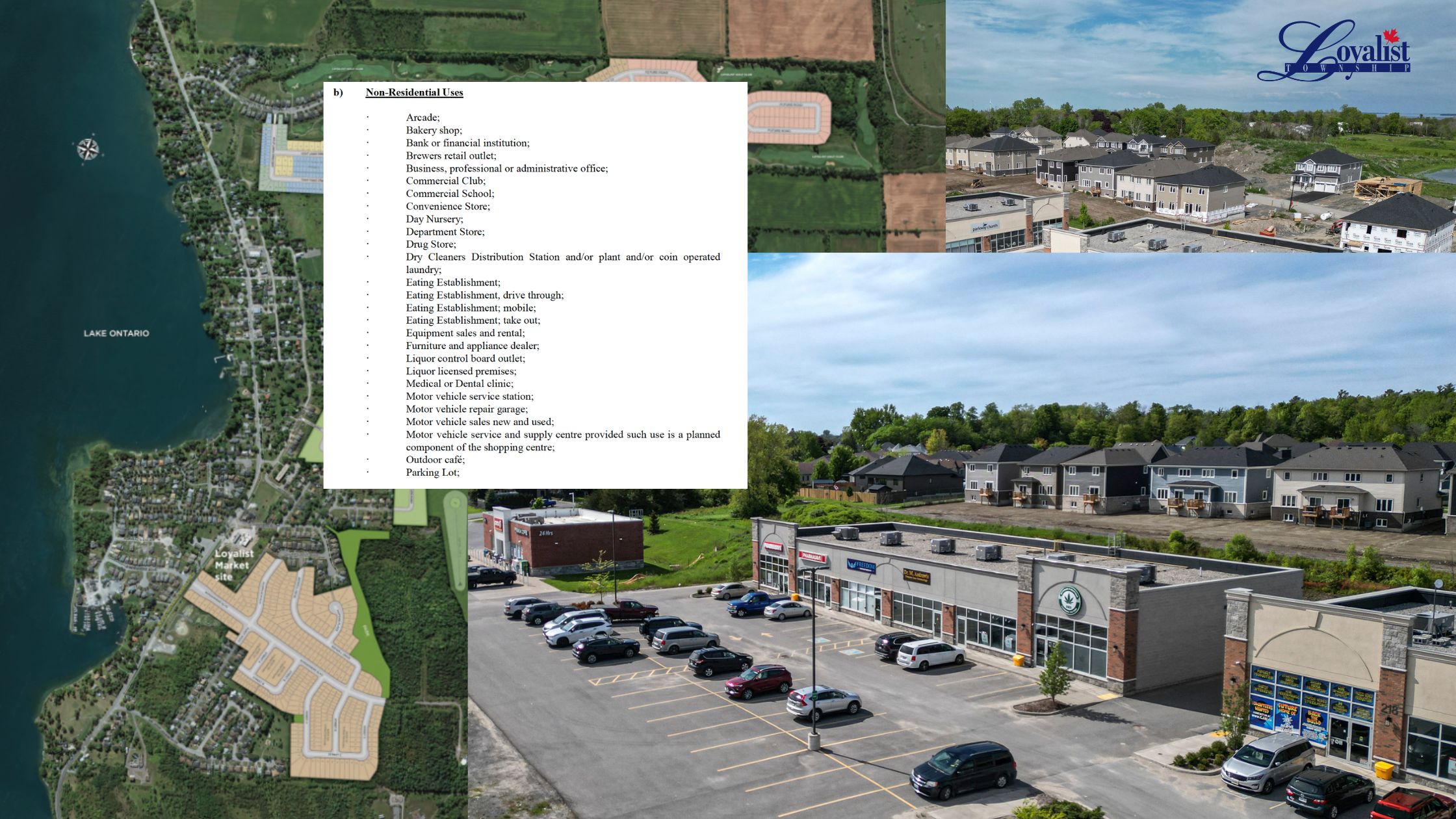
Zoning regulations must align with your business use before signing a commercial lease.
Next, location plays a major role in commercial leasing decisions.
For example, industrial and manufacturing tenants often prioritize proximity to highways and transportation routes.
In contrast, retail tenants focus more on several key market factors.
First, traffic counts help determine how many potential customers pass a location each day.
Next, demographic data helps businesses understand whether the surrounding population matches their target market.
Retail tenants must also consider visibility and exposure, particularly for storefront businesses that rely on walk-in traffic.
Finally, market growth potential can play a major role when choosing a location for long-term leasing success.
You should also consider your space within a development. For instance, a storefront location may offer better visibility than an interior unit.
Ultimately, understanding these factors helps create a clear location mandate for your leasing search.
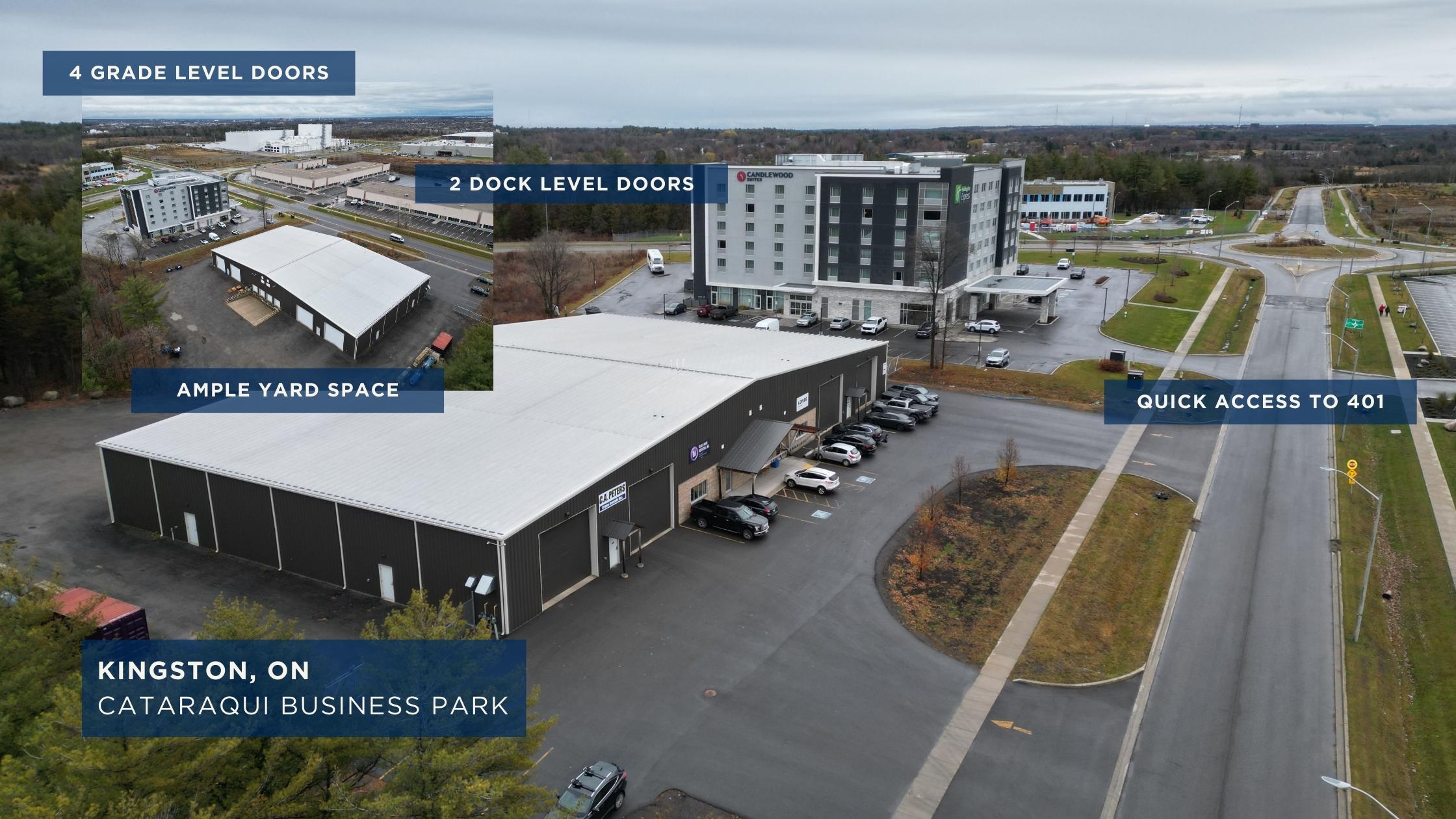
Industrial warehouse in Kingston’s Cataraqui Business Park featuring four grade-level doors and two dock-level loading doors.
The leaseable area includes both size and layout.
When evaluating leasing options, consider:- Ceiling height
- Storefront requirements
- Loading docks or grade-level doors
- Patio space
- Free-span space
- Mezzanine or second-floor areas
At the same time, your space should meet current needs while allowing room for future growth. Therefore, planning ahead is essential when committing to a long-term lease. Many tenants assume they will find the perfect space ready for immediate use. In reality, this rarely happens in commercial leasing.
As a result, most tenants modify existing spaces or complete leasehold improvements. Each option has advantages. Existing spaces may allow faster occupancy, while new construction offers greater customization.
Ultimately, your choice will depend on budget, timeline, and business requirements.
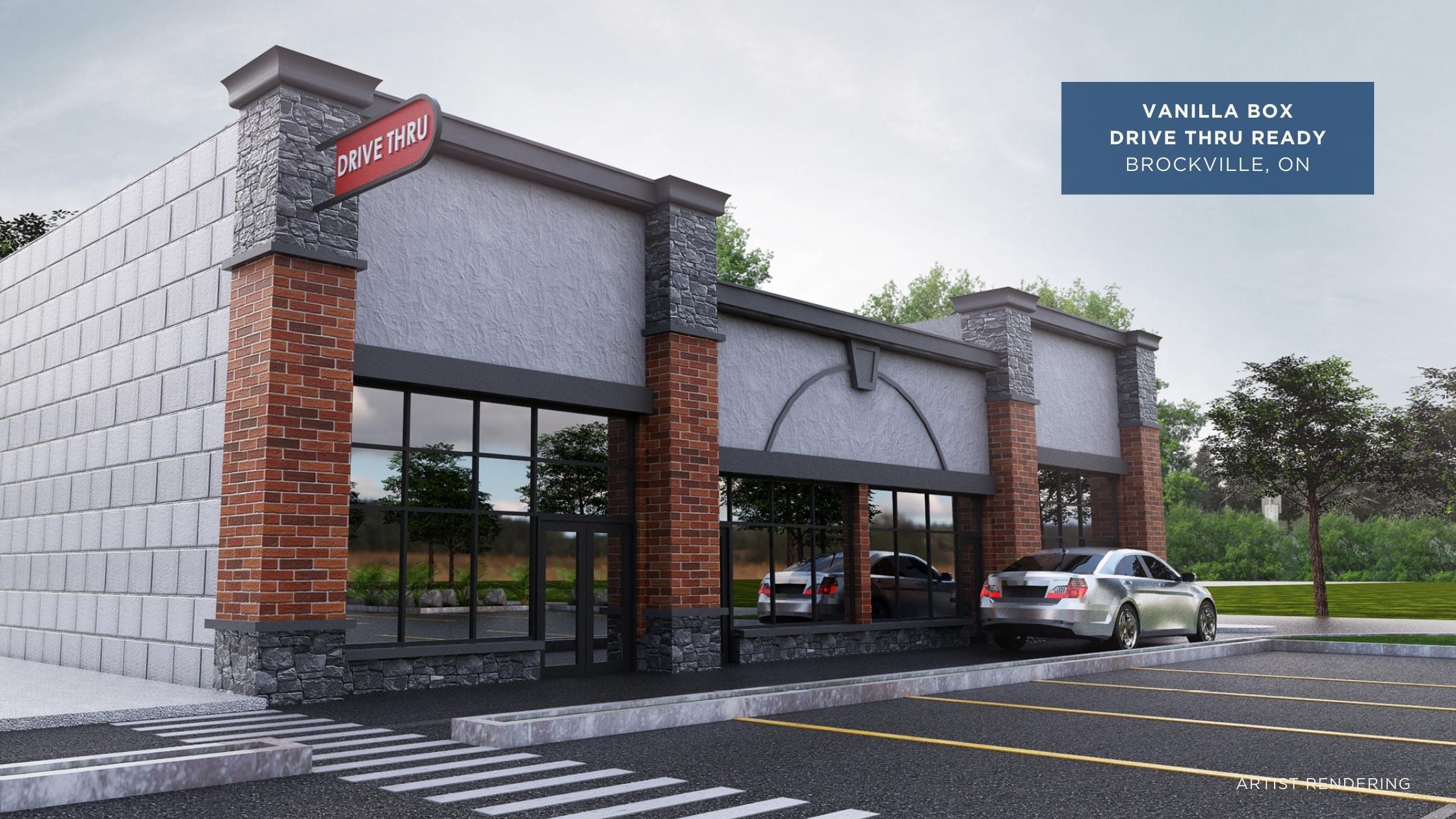
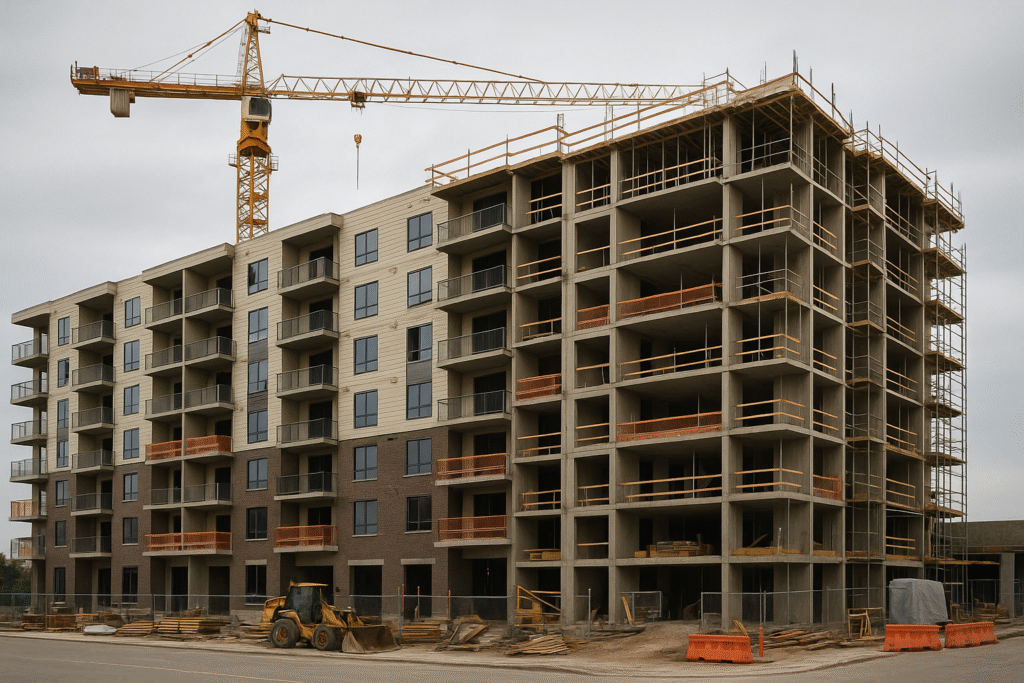
Example of a “vanilla box” commercial building delivered to tenants before completing their leasehold improvements.
Each business has unique leasing requirements.
Important considerations include:
- Storefront design
- Parking availability
- Accessibility
- Ceiling height
- Loading and unloading access
- Electrical capacity
- Signage options
- Ventilation systems
Therefore, create a list of must-have features before beginning your leasing search. This helps you evaluate properties quickly and efficiently.
As you begin reviewing potential locations, you will encounter different leasing structures. For this reason, understanding these structures is essential before signing a lease.
Common structures include:
Triple Net Lease (NNN),
Single/Double Net Lease,
and Gross Lease.
The Offer to Lease Stage
Once you identify the right property, the next step in commercial leasing is the Offer to Lease (OTL).
Specifically, the OTL outlines the key business terms of the agreement. It allows both parties to negotiate major details before preparing the final lease document.
At this stage, several important leasing terms appear. For example, you may discuss a fixturing period, tenant inducements, and renewal options.
Leasing Mandate Planning
A leasing mandate outlines your needs, budget, and timeline. It helps your agent target spaces that fit your business today and support your plans over the next 5–10 years.
Triple Net Lease (NNN) Lease Type
A triple net lease requires the tenant to pay base rent plus additional operating expenses. These often include property taxes, insurance, common area maintenance, and other building costs.
Landlords may also charge an administrative fee. However, these expenses typically reflect operating costs rather than profit.
Utilities may also be paid directly by the tenant.
Single Net and Double Net Leases Lease Type
Single net and double net leases are less common. In a single net lease, tenants typically pay base rent plus property taxes.
Similarly, in a double net lease, tenants pay base rent plus taxes and insurance.
Gross Lease Lease Type
A gross lease combines most costs into one rental amount. In many cases, rent includes taxes, utilities, and operating expenses.
Sometimes gross leases use a base year structure. In this case, increases in operating costs are passed along to tenants in future years.
Fixturing Period Deal Term
The fixturing period allows tenants to complete improvements before opening for business. Depending on the agreement, tenants may receive fully rent-free time, base rent free with additional rent payable, or a reduced rent structure.
Additional Rent Operating Costs
Additional rent covers operating expenses that the landlord recovers from tenants. These expenses may include property taxes, building insurance, maintenance, snow removal, and common area costs.
Typically, these charges are budgeted and adjusted annually.
Tenant Inducements Incentives
A tenant inducement is a financial contribution from the landlord to help cover leasehold improvements. For example, it may appear as a dollar amount per square foot, free rent periods, or reduced rent during part of the lease term.
Monthly Lease Rate Budgeting
Commercial lease rates are usually quoted per square foot per year. To estimate your monthly cost, multiply the lease rate by the square footage, divide by 12, and add estimated additional rent.
In practice, this calculation provides a realistic monthly leasing budget.
Renewal Options Term
Unlike residential leases, commercial leases provide fewer tenant protections. Without a renewal option, a landlord may require you to vacate at the end of the lease term.
Fortunately, most leases include renewal clauses that allow tenants to continue occupancy. However, missing the renewal notice deadline could result in losing the space.
Commercial tenants should include several protective conditions when negotiating a lease.
Solicitor Review
Always include a condition allowing your lawyer to review the long form lease before the agreement becomes final. This ensures all negotiated terms appear correctly in the final document.
Zoning Confirmation
Confirm zoning compliance before committing to a lease. In many cases, even small verification steps can prevent expensive mistakes.
Significant Leasehold Improvements
If your business requires major renovations, consult your architect or designer early. You should also complete a municipal pre-consultation to confirm building code, site planning, and parking requirements.
As a result, this step protects your investment before construction begins.
Final Thoughts on Commercial Leasing
In summary, commercial leasing is a specialized area of real estate. Understanding the process helps tenants make informed decisions and avoid costly mistakes.
If you are considering leasing commercial space, working with an experienced advisor can make the process much smoother.
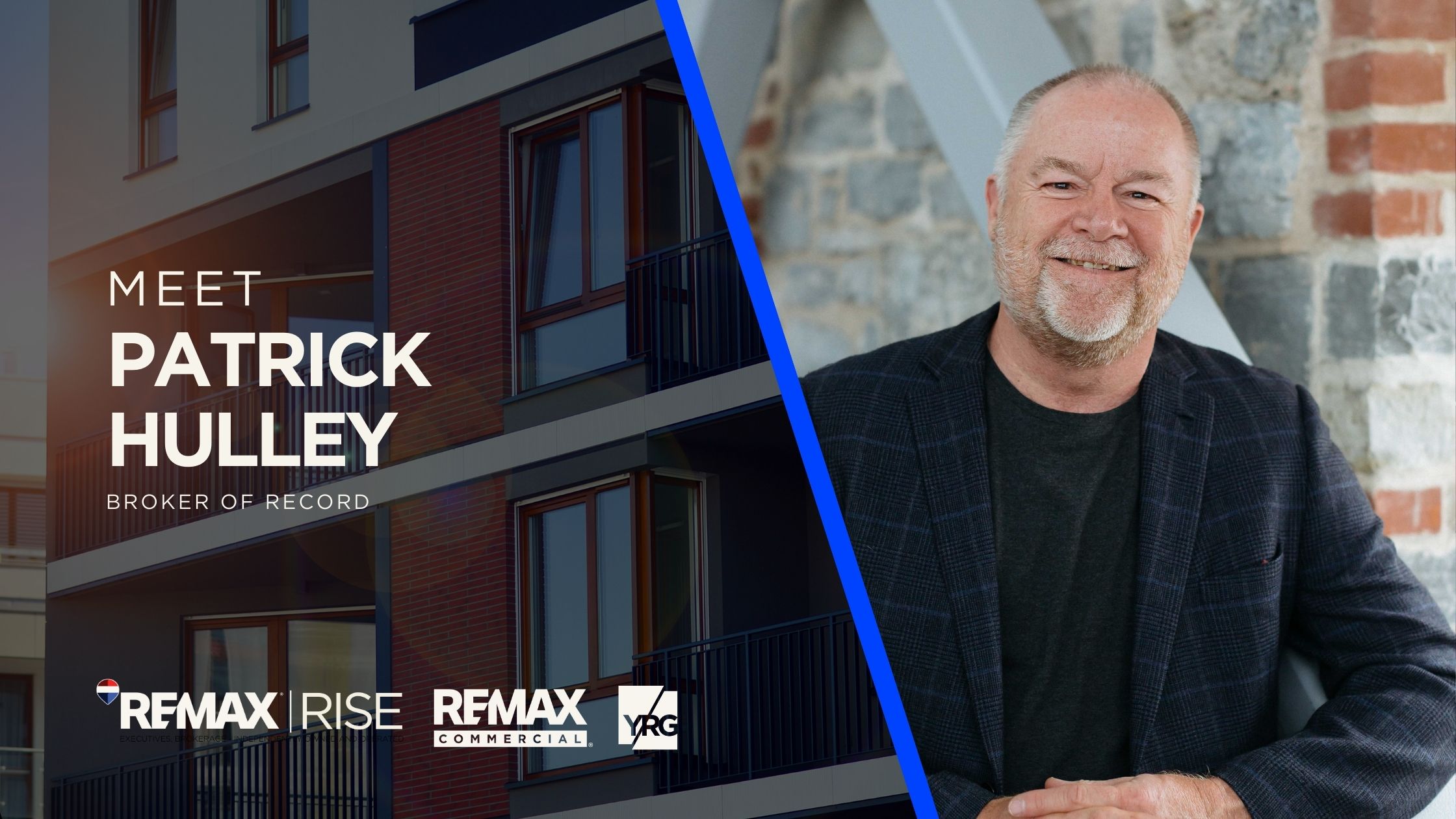
About Patrick Hulley
Patrick Hulley is a commercial real estate broker in Kingston, Ontario specializing in multifamily, industrial, land, and investment properties across Eastern Ontario.
Through CommercialSource and RE/MAX RISE Executives, Patrick advises investors, developers, and businesses on acquisitions, leasing, and commercial development opportunities.
Therefore, whether you are leasing your first commercial space or expanding your portfolio, Patrick provides strategic guidance to help clients make informed real estate decisions.