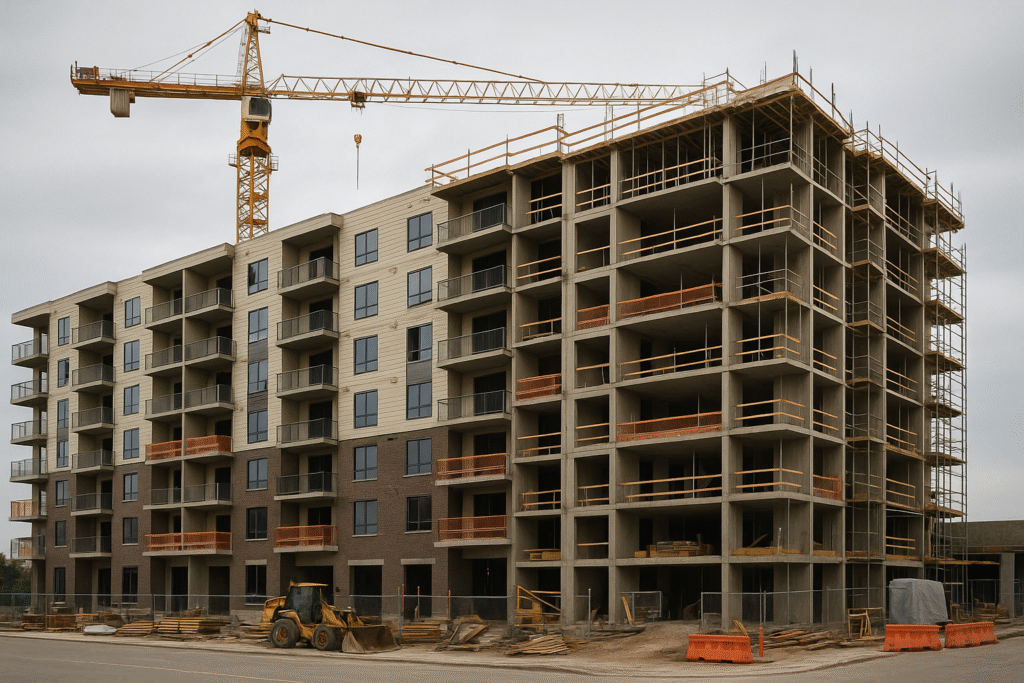

Bill 17 Game Changer Legislation For Developers

Let's Talk Commercial Real Estate!

Ontario’s Bill 17:

A Residential Developer Must Read!

Ontario’s Bill 17 (Protect Ontario by Building Faster and Smarter Act, 2025) introduces a series of changes to streamline development approvals and reduce costs for builders. It aims to “speed up the construction of infrastructure and homes” and “simplify and standardize…development approval processes and charges to help increase housing supply”. Below is a concise overview of key changes under Bill 17, comparing the “Before” and “After” scenarios:

How These Changes Benefit Developers and Investors

As-of-Right 10% Variance – Less Red Tape: Small adjustments to building plans (like minor setback reductions) no longer trigger a months-long minor variance process. If your project is within 10% of the required setback, you can proceed without a rezoning or Committee of Adjustment hearing. This saves time and fees, enabling faster project starts. Fewer minor variance applications also mean less uncertainty and carrying costs for projects – a clear win for infill developers and homebuilders.

Development Charge Reforms – Lower Upfront Costs: Perhaps the most impactful changes are to development charges, which can be a significant upfront cost for builders, especially on multi-residential projects. Key benefits include:

  • Pay at Occupancy: Instead of paying tens of thousands (or more) in DCs per unit at permit issuance, residential developers can now defer DC payments until occupancy. This deferral frees up capital during construction and reduces financing burdens – you start generating revenue (occupancy or closing sales) before paying major fees. For multi-family condo projects, this aligns cash outflow with project completion, improving project cash flow and viability.
  • No Interest on Deferrals for Rentals: For rental housing developments (and institutional builds), Bill 17 stops municipalities from charging interest on DCs during the deferral period. Previously, even if a city allowed delayed DC payment, interest could accrue, adding cost. Now, rental developers effectively get an interest-free loan on DCs until occupancy – a significant incentive to build much-needed rental units.
  • Flexible & Lower DCs: Municipalities can react more quickly to market conditions by reducing or freezing DC rates without a lengthy process. If economic conditions call for it, cities could temporarily cut or hold DCs to stimulate development. DC credits are also more useful now – if you front-fund infrastructure (e.g. roads, pipes) for your project, the credits can offset charges in other categories, potentially reducing your overall costs. Additionally, if DC rates are cut by the time your project is ready for permit, you get to pay the lower rate (versus being locked into a higher earlier rate), protecting you from overpaying in a falling DC environment.

A More “Builder-Friendly” Planning Process: Beyond dollars and cents, Bill 17 includes changes that simplify and speed up approvals:

  • Standardized Application Requirements: By removing the need for certain studies (like wind or shadow impact studies) at the initial application stage, the province is cutting down on pre-construction hurdles. This means less money spent on consultants and faster time to get an application deemed complete. In turn, that leads to quicker decisions and shovels in the ground sooner.
  • Consistent Building Standards: Developers will no longer face a patchwork of municipal building requirements exceeding the Ontario Building Code. Bill 17 ensures one uniform building code province-wide. For example, if a city had extra “green” building standards or unique technical demands, those can no longer be enforced through local bylaws. This reduces costs (you only build to one standard – the provincial code) and provides certainty, especially for builders operating across multiple municipalities.
  • Encouraging Community Infrastructure: By allowing schools as-of-right in residential zones, the government has made it easier to integrate schools into new communities or redevelopments. For developers, this could streamline approvals for master-planned communities that include schools, or make zoning more flexible when repurposing lands.

Recent Blog

January 29, 2026

Market Watch: The “Life Sciences” Hub at Gardiners & Creekford

July 13, 2025

Bill 17 Game Changer Legislation For Developers

May 19, 2025

HST & A Commercial Real Estate Purchase

April 26, 2025

Top 5 Things Real Estate Investors Need to Know About Bill 23

Subscribe our Newsletter

Subscribe for exclusive property listings and market updates.

This field is required

Bottom Line for Developers and Investors

Overall, Bill 17 is designed to expedite development timelines and improve project economics in Ontario’s housing and real estate sector. By reducing procedural delays (like minor variances and excessive studies) and lowering upfront costs (through DC deferrals, credits, and potential rate reductions), the Act creates a more positive, pro-building environment. Developers and investors can expect faster approvals and lower carrying costs, especially for multi-family and rental housing projects that the province is keen to see move forward. In short, Ontario is signaling that it wants to “build faster and smarter,” and Bill 17 provides several new tools and incentives to make that happen.

Sources: Key provisions summarized from Bill 17, Protect Ontario by Building Faster and Smarter Act, 2025 and related analyses. These changes reflect the Ontario government’s partnership with municipalities to boost housing supply while cutting red tape for builders.

Let's Talk Commercial Real Estate

Patrick Hulley, Broker of Record & Co-Owner, REMAX RISE Executives, Brokerage As a specialist in Commercial Real Estate across Eastern Ontario, Patrick brings over 30 years of experience to help clients achieve their goals. In commercial real estate, experience matters. If you’d like to discuss your objectives, click below — let’s connect.